




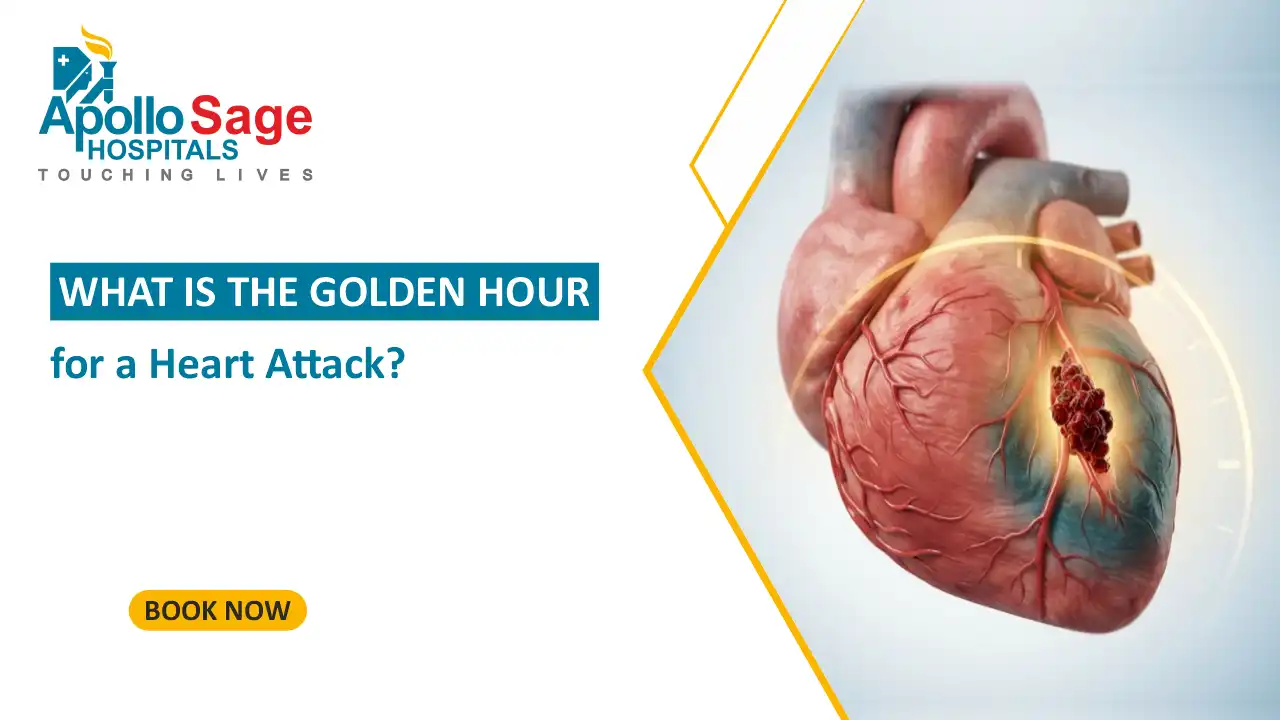
WHAT IS THE GOLDEN HOUR FOR A HEART ATTACK
What is the Golden Hour for a Heart Attack?
A heart attack can be a major medical emergency, so speedy treatment is critical for the amount and quality of life a patient has in the years following. While most people understand chest pain can be a cautioning sign, they are not aware of the first hour after symptoms occur.
This is known by many doctors as the “Golden Hour”. It is such a vital time because if treatment can be received quickly, it may allow the heart to be re-oxygenated, reduce blood loss to the heart muscle and thereby increase the chances of a full recovery.
What Happens During a Heart Attack?
The heart is on a steady flow of blood, fresh with oxygen to provide the muscle cells, which is supplied via the coronary arteries.
Atherosclerosis can develop in these arteries due to the accumulation of fatty deposits called plaque. Plaques can break open, causing a clot that clogs the artery. The interruption of blood to heart tissue leads to damage of the heart muscle; this is called a myocardial infarction (heart attack).
The longer the blockage is left alone, the more damage occurs in the heart muscle.
Understanding the Golden Hour
The “Golden Hour” is the first 60 minutes after the onset of symptoms of a heart attack.
During this period, medical treatment can often restore blood flow before extensive damage occurs. Quick treatment may:
- Reduce injury of the myocardium
- Improve survival rates
- Reduce the risk of complications
- Improve long-term heart function
- Support faster recovery
Minutes count when it comes to a heart attack. The sooner you get to the hospital, the better off you may be.
Common Signs & Symptoms of a Heart Attack
The symptoms of a heart attack may be gradual or sudden, persistent or mild. Common symptoms include:
- Chest pain, pressure or tightness
- Pain radiating into the arm, shoulder, neck, jaw or back.
- Shortness of breath
- Excessive sweating
- Nausea or vomiting
- Dizziness or light-headedness
- Unusual fatigue or weakness
In some groups, such as women, the elderly or diabetics, these may be less obvious, and they may complain of fatigue, breathlessness, jaw pain or pain in the upper back rather than crippling chest pain.
When Should You Seek Emergency Care?
Should be viewed within time, and if it persists for such duration and if it occurs in conjunction with symptoms such as nausea, aches, pain radiating to the jaw. Never ignore your symptoms or assume they will disappear. Delaying therapy may result in irreversible damage to the heart and other complications.
What Should You Do During a Suspected Heart Attack?
If you suspect that someone is having a heart attack:
- Call the emergency medical services right away.
- Assist the individual with sitting up and, if necessary, staying relaxed.
- If any pieces of tight clothing are being worn, remove them.
- For pain relief, if recommended by a health professional and no allergy.
- Remain with the individual until medical assistance is available.
If Emergency Services can provide a team, don’t drive yourself to the hospital - it speeds up treatment time. They can commence treatment even as they drive you to the hospital.
How Is a Heart Attack Treated?
The aim of the treatment is to re-establish the blood supply to the occluded artery in the shortest possible time.
Primary Angioplasty
Primary angioplasty is one of the most effective treatments for a heart attack. In this operation, a cardiologist threads a slim tube from a blood vessel to the disrupted artery. This allows a balloon to be used to open the blockage, and a stent to be fitted to hold open the artery.
Angioplasty may be performed without pain in a matter of 10 seconds, allowing the heart muscle to be preserved.
Medications
Depending on the situation, doctors may also use medications to:
- Dissolve blood clots
- Prevent further clot formation.
- Reduce the burden on the heart.
- To minimise blood pressure and cholesterol levels.
Cardiac Rehabilitation
In some cases, patients may require cardiac rehab with an individualised program of exercise training, dietary modification, medication use, and smoking cessation counselling.
Who Is at Higher Risk of a Heart Attack?
There are several factors that may predispose someone to the development of the disease and thereby increase the chances of a heart attack.
Modifiable Risk Factors
- Smoking
- High blood pressure
- High cholesterol
- Diabetes
- Obesity
- Physical inactivity
- Unhealthy diet
- Chronic stress
Non-Modifiable Risk Factors
- Increasing age
- Family history of heart disease.
- Male gender
- Post-menopausal status in women
Controllable risk factors can be effectively managed to significantly reduce the risk for further cardiac problems.
Can a Heart Attack Be Prevented?
Although not all heart attacks are preventable, a heart-healthy lifestyle can go a long way to lowering the risk. Important preventive measures include:
- Maintaining a healthy weight
- Exercising regularly
- Following a balanced diet
- Avoiding tobacco products
- Keeping blood pressure and cholesterol under control
- Controlling diabetes
- Getting regular health checkups
- Managing stress effectively
Those already at risk should have recurrent heart checkups.
Frequently Asked Questions
Q.1 Is it possible to have a heart attack without chest pain?
Yes. Some people have symptoms like shortness of breath, tiredness, vomiting, pain in the jaw or pain in the back without major chest pain.
Q.2 Is it possible to recover from a heart attack?
The majority of patients make a good recovery following a heart attack, particularly if treatment is given early. Recovery will depend on how much of the heart has been damaged and on the general health of the patient.
Q.3 Can a person have multiple Heart attacks?
Yes. Having had one heart attack predisposes one to subsequent cardiac events. Following medical advice and leading a healthy lifestyle are important.
Q.4 How early should treatment be started?
Treatment should be started as early as possible once symptoms are evident. Early treatment is associated with a better prognosis and less cardiac damage.
Conclusion
A heart attack is a true medical emergency and is time-critical. Early warning signs combined with fast access to treatment will preserve heart muscle, prevent complications and improve chances of survival.
In case of cardiac emergency, Apollo Sage Hospital,Bhopal has the best cardio-vascular team who can treat heart attacks and other cardiovascular conditions swiftly with all the advanced diagnostic and treatment facilities such as round-the-clock emergency service, primary angioplasty service, etc.
