


HIGH RISK PREGNANCY DIET PLAN WHAT TO EAT AND WHAT TO AVOID
High-Risk Pregnancy Diet Plan: What to Eat and What to Avoid
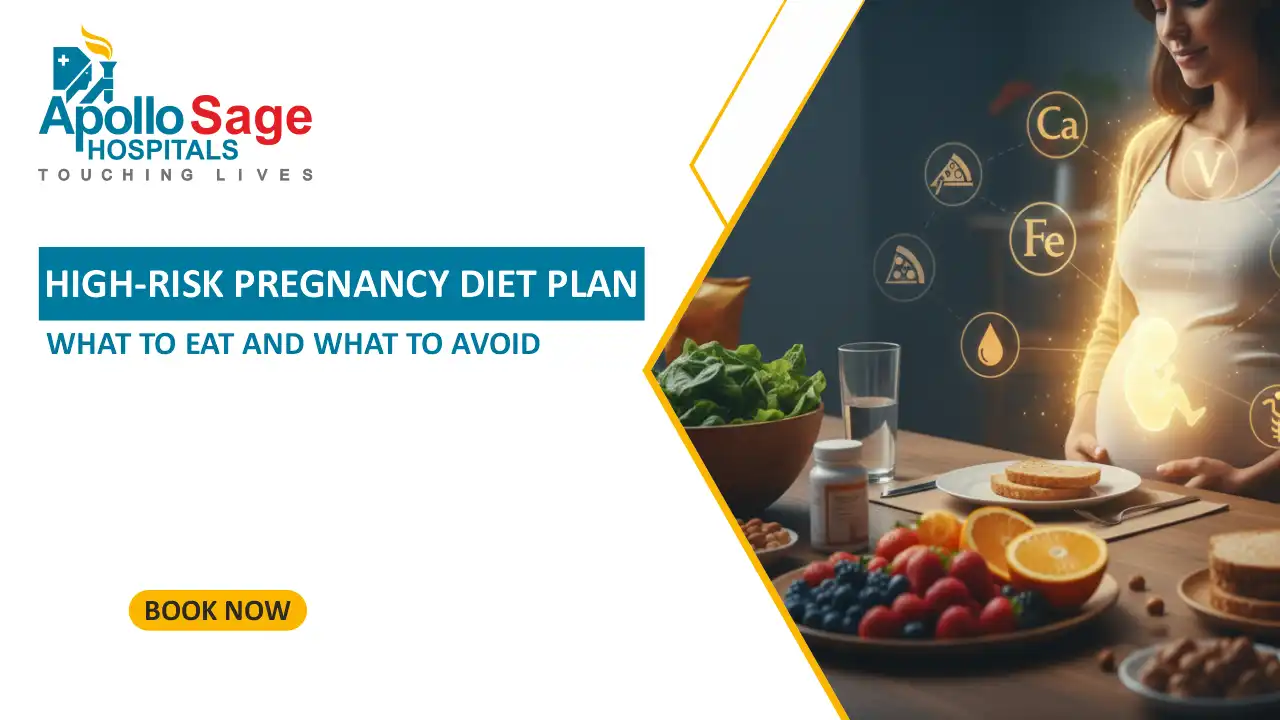
When a pregnancy is classified as high-risk, every decision carries more weight, including what gets eaten every day. Food is not just fuel during a complicated pregnancy. It directly affects blood sugar control, blood pressure, iron levels, foetal growth, and the risk of premature delivery.
A proper high-risk pregnancy balanced diet is not about eating perfectly or following a rigid plan. It is about consistency making sure the body gets what it needs, day after day, in a way that supports both the mother and the baby through a pregnancy that already has additional demands on it.
This covers what to focus on, what to cut out, and how a practical daily pregnancy diet plan in India can look for someone managing a high-risk pregnancy.
Why Nutrition Matters More in a High-Risk Pregnancy
Standard pregnancy advice around eating well applies to every pregnancy. In a high-risk one, the stakes are higher and the margin for nutritional gaps is narrower.
Gestational diabetes requires careful management of carbohydrate intake to keep blood sugar stable. High blood pressure during pregnancy is worsened by excess sodium. Anaemia already more common in pregnant women becomes more dangerous when other complications are already present. Poor foetal growth is directly linked to insufficient protein and caloric intake.
Proper nutrition for pregnant women in a high-risk situation does several things at once: it supports the baby's development, helps manage the conditions creating the risk, maintains the mother's strength through a physically demanding pregnancy, and reduces the likelihood of premature delivery.
No single food does all of this. A varied, consistent, medically appropriate diet does.
What to Eat
Iron-Rich Foods
Anaemia during pregnancy is common and becomes more serious in high-risk cases. Iron supports the production of haemoglobin, the protein that carries oxygen in the blood. Low iron means less oxygen reaching the baby.
Healthy pregnancy food sources of iron that are easily available in Indian kitchens:
- Spinach and other dark leafy greens
- Lentils and all varieties of dal
- Jaggery
- Dates and raisins
- Pomegranate
- Beetroot
One practical point is that iron from plant sources absorbs significantly better when eaten alongside vitamin C. Squeezing lemon over dal, eating an orange after a spinach based meal, or drinking diluted amla juice with iron-rich foods makes a real difference to how much iron the body actually uses.
Protein-Rich Foods
Protein is what the baby is literally built from. Foetal tissue, organ development, and the placenta all require adequate protein. The mother's body also needs protein for repair and maintenance through a physically demanding pregnancy.
Good sources that fit naturally into a pregnancy diet plan in India:
- Eggs
- Paneer and curd
- Milk
- All varieties of dal, rajma, and chana
- Soya and tofu
- Well-cooked chicken or fish
Spreading protein across meals rather than loading it into one keeps levels more stable through the day.
Calcium Sources
The baby draws calcium from the mother's body to build bones and teeth. If dietary calcium is insufficient, the mother's own bone density takes the hit. Both matter.
Daily calcium sources worth including:
- Milk and dairy products
- Almonds
- Til (sesame seeds) particularly effective in small daily amounts
- Ragi one of the richest plant-based calcium sources available in India
- Broccoli
- Fortified cereals
Two substantial servings of calcium rich food per day is a reasonable target for most high-risk pregnancies, though the specific requirement depends on individual circumstances and should be confirmed with the treating doctor.
Complex Carbohydrates and Fibre
For women managing gestational diabetes, the type of carbohydrate matters as much as the amount. Whole grains, brown rice, whole wheat atta, and oats release sugar more slowly than refined alternatives, preventing the spikes that destabilise blood sugar.
Fibre also supports digestive health, which deteriorates for many women during pregnancy due to hormonal changes slowing the gut.
What to Avoid
The foods to avoid during pregnancy in a high-risk case are largely the same as in any pregnancy, but the reasons to avoid them carry more weight.
Raw or undercooked meat and eggs carry bacteria, Salmonella and Listeria in particular, that cause infections severe enough to trigger premature labour.
Unpasteurised dairy carries similar bacterial risk. All milk and dairy consumed should be pasteurised.
High-sodium packaged food, instant noodles, packaged snacks, processed cheese, and pickles directly worsen blood pressure. For women already managing hypertension in pregnancy, this is not an occasional concern but a daily one.
Excess caffeine, more than one cup of tea or coffee per day, is linked to restricted foetal growth and increased miscarriage risk. This includes cola drinks and some energy drinks.
Street food and food from uncertain sources carry contamination risks that the immune system, already somewhat suppressed during pregnancy, handles less effectively.
Alcohol has no safe level during pregnancy. Zero is the standard.
A Practical Daily Meal Structure
A workable pregnancy diet plan in India for a high-risk pregnancy does not need to be complicated:
- Early morning: warm water with soaked almonds or walnuts
- Breakfast: vegetable poha, upma, or oats with milk and one seasonal fruit
- Mid-morning: coconut water or a small serving of fresh fruit
- Lunch: whole wheat roti or brown rice, dal, one green vegetable sabzi, curd, and a small salad
- Evening snack: roasted chana, sprouts, or a small handful of mixed nuts
- Dinner: light roti with paneer or chicken curry, or vegetable soup with bread
- Before bed: warm milk
This structure supports stable blood sugar across the day, provides consistent protein and iron, and avoids the long gaps between eating that cause blood sugar to drop and acid to build.
Practical Tips Worth Following
- Eat smaller amounts more frequently, five to six times a day rather than three large meals
- Drink enough water dehydration worsens constipation, raises blood pressure, and triggers Braxton Hicks contractions
- Cook fresh where possible reheated and packaged food loses nutritional value and carries higher contamination risk
- Do not skip meals an empty stomach for hours causes blood sugar instability and acid buildup
- Wash all fruit and vegetables thoroughly before eating
Nutrition for pregnant women in a high-risk case should be reviewed regularly with the treating doctor or a dietitian. What works in the second trimester may need adjustment in the third. Gestational diabetes management in particular requires ongoing dietary fine-tuning as the pregnancy progresses.
FAQs
Q.1 What is the best diet for a high-risk pregnancy?
A varied diet built around whole grains, dal and legumes, dairy, eggs or lean protein, and fresh fruit and vegetables covers the core nutritional needs. A high-risk pregnancy diet should be tailored to the specific complications present. Gestational diabetes, hypertension, and anaemia each have dietary implications that a general plan does not fully address.
Q.2 Which foods should be completely avoided?
Raw meat and eggs, unpasteurised dairy, alcohol, excess caffeine, high-sodium packaged food, and street food from uncertain sources are the foods to avoid during pregnancy that matter most in a high-risk context.
Q.3 Can diet reduce complications?
Directly, yes. Controlling carbohydrate quality and quantity manages gestational diabetes. Reducing sodium manages blood pressure. Consistent iron and protein intake supports foetal growth and reduces anaemia risk. Nutrition for pregnant women in a high-risk pregnancy is not supplementary to medical management it is part of it.
Conclusion
A high-risk pregnancy puts extra demands on the body. What gets eaten every day either supports the body in meeting those demands or adds to the load.
The high-risk pregnancy food does not need to be elaborate. It needs to be consistent the right foods, eaten regularly, with the things that cause harm kept out. A practical pregnancy diet plan in India built around iron, protein, calcium, and complex carbohydrates and without raw food, excess sodium, caffeine, or alcohol gives both mother and baby the best nutritional foundation through a pregnancy that already asks a great deal of both.
