



HIGH BLOOD PRESSURE AND HEART DISEASE WARNING SIGNS YOU SHOULD KNOW
High Blood Pressure and Heart Disease: Warning Signs You Should Know
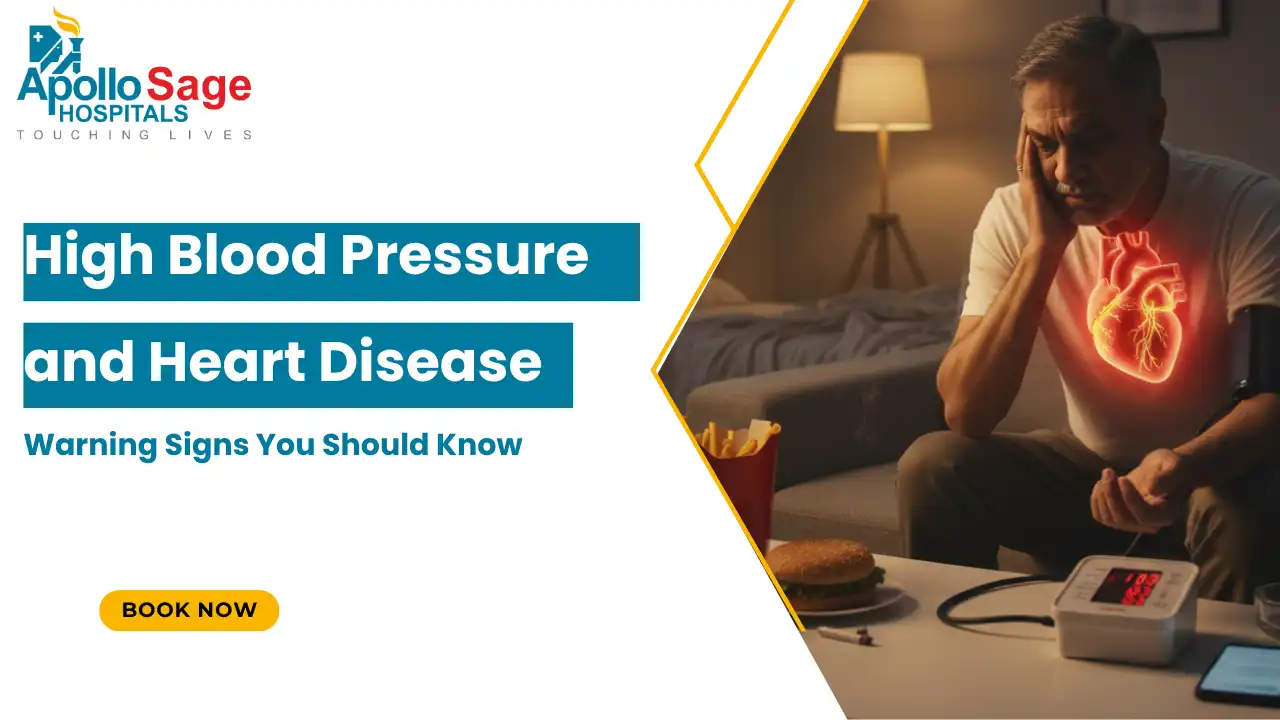
Most people with high blood pressure feel completely fine. No pain, no obvious warning, nothing that interrupts the day. That is exactly what makes it dangerous. The damage to arteries and the heart builds over years while the person carrying it has no idea.
By the time a symptom appears, chest pain, breathlessness, or a dizzy spell that does not pass, the condition has usually been there a long time. This is why hypertension gets called the silent killer. Not because it is dramatic, but because it is invisible until it is not.
Checking blood pressure regularly and getting properly assessed at the best heart hospital in Bhopal when readings are consistently high is what catches this before it becomes a cardiac event.
What the Numbers Mean
Blood pressure is measured as two numbers. The top number is the pressure in the arteries when the heart beats. The bottom number is the pressure between beats when the heart is at rest. A reading around 120/80 mmHg is normal.
When readings stay consistently above 130/80 mmHg, that is hypertension. The arteries are under more force than they are built to handle over the long term, and that sustained excess pressure causes damage that compounds over time.
What It Does to the Heart
The heart has to push blood through the arteries with every beat. When those arteries are under elevated pressure, stiffer, narrower, and more resistant, the heart works harder to do the same job.
Over years, that extra workload causes the heart muscle to thicken, particularly on the left side. A thickened heart muscle does not pump as efficiently. Arteries under sustained pressure accumulate plaque faster, narrowing the channels that supply blood to the heart itself. The outcomes of years of uncontrolled hypertension are coronary artery disease, heart failure, and a significantly higher risk of heart attack.
None of this happens overnight. It is the result of elevated pressure going unmanaged across years. A proper cardiovascular evaluation at a cardiac care hospital in Bhopal shows clearly whether this process has started and how far it has gone.
Symptoms and the Problem With Their Absence
The majority of people with hypertension feel nothing out of the ordinary. That is the core of the problem. High blood pressure does not hurt. It does not disrupt daily life. Someone can carry a reading of 160/100 for years and feel entirely normal while the damage accumulates inside.
When symptoms do show up, they tend to include:
- Frequent headaches, particularly in the morning
- Dizziness or lightheadedness
- Shortness of breath during routine activity
- Chest discomfort or tightness
- Blurred vision
- Nosebleeds
- Unusual fatigue or confusion
These are not early-stage signals they appear when pressure has been high for a while or has spiked sharply. Chest discomfort or breathlessness alongside high readings needs immediate attention at a high blood pressure treatment hospital, not a few days of waiting to see what happens.
Who Faces Higher Risk
Some risk factors are tied to lifestyle and can be changed. Others are fixed but important to know about.
Lifestyle-related: high salt intake, physical inactivity, obesity, smoking, heavy alcohol use, and chronic stress all push blood pressure up. Changing these produces real reductions in readings.
Medical and genetic: family history of hypertension, diabetes, kidney disease, high cholesterol, and age above 40 all raise baseline risk. People in these categories should monitor blood pressure more frequently and consult a hypertension specialist hospital in Bhopal earlier rather than waiting for symptoms to appear.
What Happens When It Is Ignored
Uncontrolled hypertension does not stay contained to blood pressure readings. Over time it damages everything downstream.
Heart attack and stroke are the most serious outcomes both are substantially more likely in people with sustained high blood pressure. Heart failure follows when the cardiac muscle has been overworked long enough that it can no longer pump efficiently. The kidneys, which depend on healthy blood flow, suffer damage from sustained pressure. Vision loss, peripheral artery disease and aortic aneurysm are all established complications of long-term unmanaged hypertension.
These are not remote risks. They are the documented progression of the condition when it goes untreated. Getting in front of it at a cardiac care hospital in Bhopal is what changes that trajectory.
What Actually Makes a Difference
- Cut salt intake: The connection between sodium and blood pressure is direct. Processed food, restaurant meals, and adding salt at the table all contribute. Reducing sodium intake produces measurable drops in blood pressure.
- Exercise consistently: Thirty minutes of moderate activity, walking, swimming, or cycling five days a week, improves heart function and lowers blood pressure over time. This is not a suggestion that needs to wait until readings are normal.
- Lose weight if needed: Even a modest reduction of five to ten per cent of body weight produces a meaningful drop in blood pressure for people who are overweight.
- Stop smoking: Smoking damages artery walls directly and accelerates the cardiovascular damage that hypertension starts.
- Drink less alcohol: Heavy drinking raises blood pressure and reduces how well blood pressure medication works.
- Handle stress: Chronic stress keeps blood pressure elevated. Regular physical activity, structured breathing, and adequate sleep all regulate the stress response in ways that show up in blood pressure readings.
- Get checked regularly: Blood pressure takes minutes to measure. Adults should check at minimum once a year, more often with elevated readings or known risk factors. Routine monitoring at a high BP treatment hospital allows adjustments before problems develop.
When to See a Specialist
Do not wait for a dramatic symptom. See a doctor if:
- Readings are consistently above 130/80 mmHg
- There is a family history of heart disease or stroke
- Chest pain, breathlessness, or persistent dizziness are present
- Diabetes or high cholesterol are already part of the picture
- Lifestyle changes have not moved the readings after a few months
Apollo Sage Hospital in Bhopal carries the diagnostic tools and specialist experience that hypertension management requires, including cardiac imaging, advanced screening, and structured treatment plans. People searching for a cardiologist hospital near them in the region consistently rely on hospitals for both prevention and treatment.
As a trusted best heart hospital in Bhopal, the facility runs cardiac screening programmes and personalised care for patients managing hypertension and its effects on the heart.
FAQs (Frequently Asked Questions)
Q.1 Does high blood pressure directly cause heart disease?
Yes. Sustained elevated pressure damages artery walls, forces the heart to work harder, and speeds up plaque accumulation, all of which feed directly into heart disease and raise heart attack risk considerably.
Q.2 How often should blood pressure be checked?
Once a year for adults with normal readings. More frequently for anyone with hypertension or known cardiovascular risk factors frequency guided by the treating doctor.
Q.3 When does this need a specialist rather than general management?
When readings stay above 130/80 mmHg consistently, when lifestyle changes are not producing results, or when any related symptoms appear, a hypertension specialist hospital in Bhopal is the right step at that point.
