




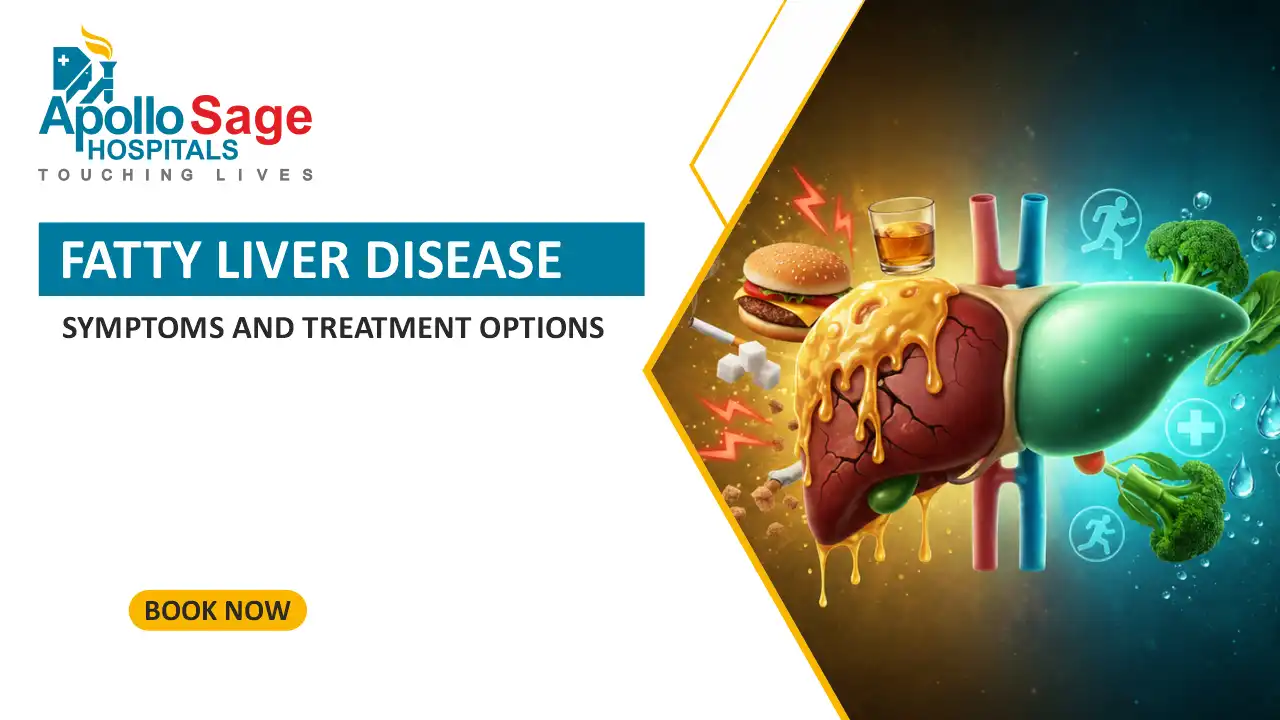
FATTY LIVER DISEASE SYMPTOMS AND TREATMENT OPTIONS
Fatty Liver Disease: Symptoms and Treatment Options
Fatty liver disease is one of those conditions that sits quietly for years before making itself known. No dramatic symptoms, no obvious warning, just fat gradually accumulating in liver cells while daily life continues as normal.
By the time most people find out they have it, it is through a routine blood test that flags abnormal liver enzymes, or an ultrasound done for something else entirely. That is how silent this condition tends to be in its early stages.
The encouraging part is that caught early, it is largely reversible. The problem is most people do not catch it early because they are not looking for it. If you have risk factors such as obesity, diabetes, high cholesterol, or a sedentary lifestyle, getting properly assessed at a liver treatment hospital in Bhopal is worth doing sooner rather than later.
What Fatty Liver Disease Actually Is
The liver naturally contains a small amount of fat. Fatty liver disease is what happens when fat accumulation goes beyond that normal level when liver cells become so loaded with fat that the organ begins to lose its ability to function properly.
There are two main types. Non-alcoholic fatty liver disease develops in people who drink little or no alcohol. It is driven by metabolic factors like obesity, insulin resistance, and poor diet. Alcoholic fatty liver disease is the result of heavy, sustained alcohol consumption damaging the liver over time.
Left unaddressed, either type can progress. The progression goes from simple fat accumulation to inflammation, then scarring of liver tissue, then cirrhosis, which is severe, largely irreversible damage. That progression is not inevitable, but it requires the condition to be identified and addressed. A fatty liver treatment hospital with specialist gastroenterology and hepatology services is where that process starts.
What are the causes of fatty liver diseases?
The causes tie closely to how people live.
Obesity is the most significant driver. Excess body fat, particularly around the abdomen, is directly linked to fat accumulation in the liver. Poor diet plays a major role: high sugar intake, processed food, refined carbohydrates, and saturated fats all contribute to liver fat buildup. Physical inactivity compounds the problem.
On the medical side, type 2 diabetes and insulin resistance are strongly associated with fatty liver disease. High cholesterol, high blood pressure, metabolic syndrome, and PCOS all increase the likelihood of developing the condition.
Many people with fatty liver disease have several of these factors together, which is part of why the condition has become so common alongside rising rates of obesity and diabetes.
Symptoms That Are Easy to Miss
This is the core difficulty. Fatty liver disease in its early stages produces symptoms so mild that most people attribute them to something else entirely or ignore them.
What to watch for:
- Persistent fatigue that does not seem to have an obvious cause
- A vague discomfort or dull ache in the upper right side of the abdomen
- Unexplained weight gain
- Loss of appetite
- General digestive discomfort
None of these are dramatic enough to send most people to a doctor. They are easy to blame on stress, poor sleep, or a busy schedule. But for someone who has known risk factors, they are obesity, diabetes, and long-term high cholesterol. These mild signals are worth taking seriously. A visit to a liver specialist hospital for a basic liver function test and ultrasound can confirm or rule out the condition in a single appointment.
What Happens If It Is Left Alone
Simple fatty liver, when caught early, does not always progress. But when it does, the stages become increasingly serious.
The first progression is to NASH (non-alcoholic steatohepatitis), where the liver is not just fatty but actively inflamed. Inflammation causes cell damage. Repeated damage leads to fibrosis scarring of liver tissue. Extensive fibrosis leads to cirrhosis, where normal liver tissue is replaced by scar tissue and liver function is severely compromised. In extreme cases, liver failure follows.
Getting assessed at a gastroenterology hospital in Bhopal before this progression advances is what makes the difference between a manageable condition and a serious one.
How It Is Diagnosed
Diagnosis usually starts with blood tests checking liver enzymes elevated levels suggest the liver is under stress. An ultrasound scan is typically the next step, which can detect fat buildup in the liver. FibroScan measures liver stiffness and fat content non-invasively and gives a clear picture of how advanced any scarring might be. CT or MRI imaging provides more detail where needed. In a small number of cases, a liver biopsy is used to confirm inflammation or fibrosis.
Many people search for the best gastro hospital near me when liver test results come back abnormal. A specialist facility with the right diagnostic tools can give a clear answer quickly.
Treatment: What It Involves
The most important thing to know about treatment: in its early stages, fatty liver disease is largely reversible. The liver has a significant capacity to recover when the factors driving the damage are removed.
- Weight loss is the single most effective intervention. Losing five to ten percent of body weight produces measurable reductions in liver fat. This does not require extreme dieting consistent, moderate reduction in caloric intake combined with increased activity achieves it.
- Diet changes matter significantly. Reducing sugar, processed food, and saturated fat while increasing vegetables, whole grains, lean protein, and fibre directly reduces liver fat load.
- Exercising for thirty minutes of moderate activity daily improves insulin sensitivity and reduces liver fat independently of weight loss.
- Managing underlying conditions is essential. Diabetes, high cholesterol, and high blood pressure all drive fatty liver disease. Bringing these under control through medication and lifestyle changes removes major contributors to the problem.
- Medication is used where metabolic risk factors need direct management. There is no single drug that treats fatty liver disease itself, but controlling the conditions that drive it produces clear liver health benefits.
A proper fatty liver treatment hospital brings hepatologists, gastroenterologists, and dietitians together so that treatment addresses the full picture, not just one aspect of it.
When to Get Assessed
Do not wait for symptoms to become obvious. Visit a liver treatment hospital in Bhopal if:
- Liver function tests have come back abnormal
- Persistent fatigue or upper abdominal discomfort is present
- Obesity or diabetes are already diagnosed
- Cholesterol or blood pressure are consistently elevated
- There is a family history of liver disease
Apollo Sage Hospital in Bhopal provides specialist gastroenterology and hepatology services, advanced liver diagnostics, including FibroScan and imaging, and structured treatment programmes for patients with fatty liver disease. It is consistently regarded as the best gastro hospital near me by patients across Bhopal seeking liver specialist care.
FAQs (Frequently Asked Questions)
Q.1 Can fatty liver disease be reversed?
In its early stages, yes. Weight loss, diet improvement, and exercise produce measurable liver recovery in most patients.
Q.2 How long does recovery take?
Many patients see meaningful improvement in liver enzyme levels within a few months of consistent lifestyle changes. More advanced cases take longer and require closer medical management.
Q.3 Which specialist treats fatty liver disease?
A gastroenterologist or hepatologist. A liver specialist hospital with dedicated gastroenterology services provides the most accurate diagnosis and structured treatment.
Conclusion
Fatty liver disease is common, often silent, and frequently caught late. But it is also one of the more treatable liver conditions when identified at the right stage.
If risk factors are present, such as obesity, diabetes, high cholesterol, or a sedentary lifestyle, getting a liver function test done is a straightforward step that takes very little time. Persistent fatigue or upper abdominal discomfort in that context is worth investigating rather than ignoring.
Early assessment at a liver treatment hospital in Bhopal is what gives the liver the best chance of recovering before the damage becomes harder to reverse.
