




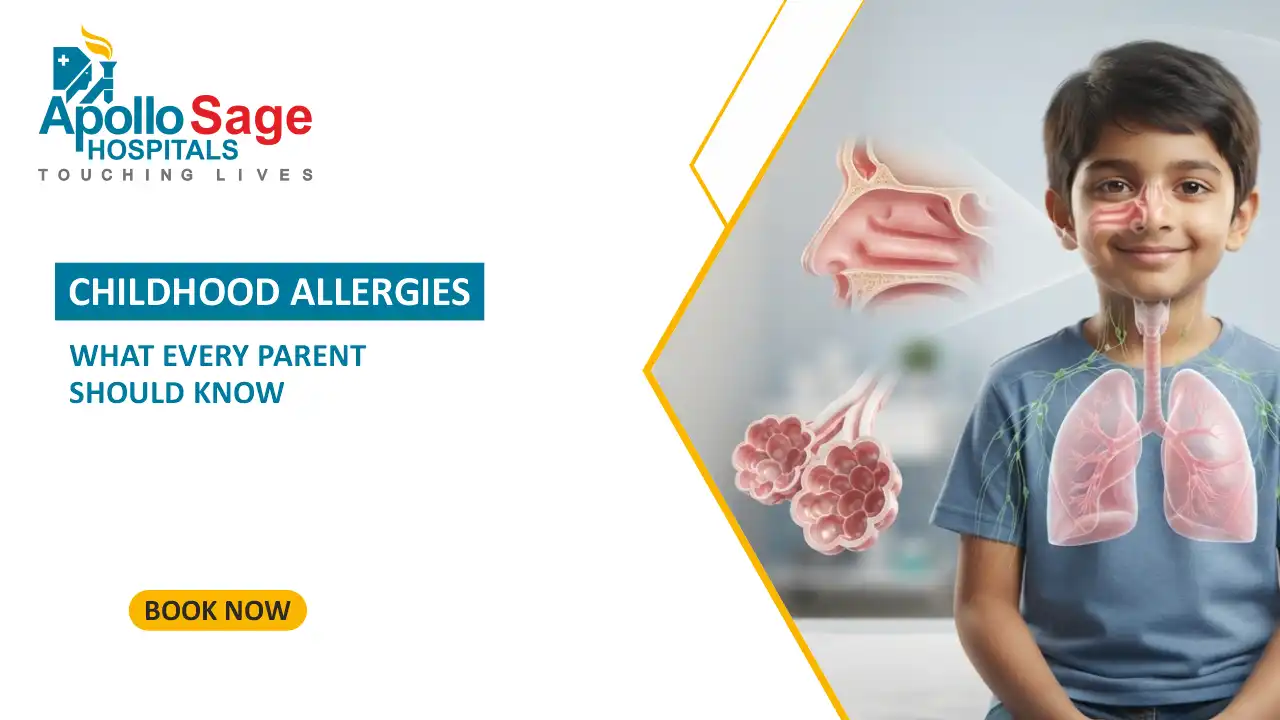
CHILDHOOD ALLERGIES WHAT EVERY PARENT SHOULD KNOW
Childhood Allergies: What Every Parent Should Know
Have you ever wondered why your child keeps sneezing for no clear reason? Or why small red bumps keep appearing on their skin? Or why their stomach gets upset every time they drink milk? These could all be signs of an allergy - and the sooner you recognise them, the better you can care for your child.
In this blog, we'll walk through the common types of childhood allergies, what triggers them, how to spot the warning signs, and - most importantly - what parents can do to help.
What Exactly Is an Allergy?
In simple terms, an allergy happens when a child's immune system mistakes something harmless - like dust, pollen, or certain foods - for a threat, and overreacts to it. This overreaction shows up as symptoms: skin rashes, cold-like symptoms, or stomach trouble.
Allergies can run in families. If a parent has asthma, eczema, or allergic rhinitis, the child is more likely to develop an allergy too. Doctors call this pattern the "Atopic March" - where one allergy in early childhood (like skin allergy) can gradually lead to another (like asthma or food allergy) as the child grows.
Common Types of Childhood Allergies
1. Skin Allergies (Eczema)
This is usually the first allergy to appear in babies, often starting around 3-6 months of age. The skin becomes dry, itchy, and red — commonly on the cheeks, inside the elbows, and behind the knees. Repeated scratching can make the skin thick and rough over time. What to do: Moisturise regularly (2-3 times a day), use a mild soap-free cleanser, and avoid harsh detergents and woollen clothing that can irritate the skin.
2. Food Allergies
One of the most common food allergies in young children is Cow's Milk Protein Allergy (CMPA) — where the baby reacts to proteins found in cow's milk. Symptoms can include loose motions, vomiting, stomach pain, skin rashes, or sometimes poor weight gain.
Other common triggers include eggs, peanuts, soy, and wheat. Symptoms can range from mild (rashes, an upset stomach) to severe (difficulty breathing, anaphylaxis).
What to do: If you suspect a food allergy, don't try to diagnose it yourself — speak to your pediatrician for proper testing first. When introducing new foods, add them one at a time with a gap of 3-5 days, so any reaction is easy to track.
3. Respiratory Allergies (Allergic Rhinitis /Asthma)
These allergies are usually triggered by dust, pollen, pet dander, or seasonal changes, and show up as frequent sneezing, a runny nose, itchy eyes, or mild breathing difficulty. If left unaddressed, this can sometimes progress to asthma.
What to do: Try to minimise dust at home, wash bedsheets regularly, and if symptoms persist, get a proper evaluation from your doctor — these symptoms are often mistaken for a regular cold and ignored.
4. Urticaria (Hives)
These are sudden, itchy, raised red patches on the skin that seem to "move" from one area to another. They can be triggered by food, medication, infections, or sometimes no clear cause is ever found. Most cases settle on their own within 24-48 hours, but if hives persist for more than 6 weeks, it's called "chronic urticaria" and needs specialist evaluation.
How Do You Tell If It's an Allergy?
This is one of the most common questions parents ask. A few clues can help:
- Timing: Do the symptoms appear after eating a specific food, or after visiting a certain place?
- Repetition: Is this happening again and again, in a similar pattern?
- Family history: Do the parents or siblings have a history of allergies?
- Response to treatment: Do the symptoms improve quickly after giving an antihistamine?
If the answer to these questions is "yes," an allergy is a strong possibility — but a doctor's evaluation is still the safest way to confirm the diagnosis.
Warning Signs - When to See a Doctor Immediately
Most allergies are mild and can be managed at home, but some symptoms are medical emergencies:
- Sudden difficulty breathing or a choking feeling
- Swelling of the mouth, lips, or throat
- Widespread rash along with dizziness or fainting
- Repeated vomiting with extreme tiredness or unresponsiveness
These can be signs of anaphylaxis - a lifethreatening reaction that needs immediate medical
attention.
Practical Tips for Parents
- 1. Keep a diary — note what your child ate, where they went, and what they used whenever a symptom appears. This makes it much easier to identify patterns.
- 2. Avoid self-medication — especially steroids or strong antihistamines, without consulting a doctor first.
- 3. Continue breastfeeding wherever possible — this can help reduce the risk of allergies developing.
- 4. Stick to the vaccination schedule — having an allergy shouldn't mean skipping vaccines; just make sure to inform your doctor about your child's allergy history.
- 5. Don't panic — most childhood allergies improve with age or resolve completely, especially when managed correctly and early.
In Summary
Childhood allergies can feel worrying, but with the right information and timely medical guidance, they can be managed very well. If your child shows any persistent or concerning symptoms, don't delay in consulting your pediatrician.
At Apollo Sage Hospital, our Pediatric team is available for the evaluation and management of all types of childhood allergies — skin,food, and respiratory. If you have any questions about your child's health,feel free to consult with us.
Dr. Shreya Mishra is an experienced Pediatrician and Pediatric Pulmonology Specialist with 7 years of clinical experience. She is an MBBS Gold Medalist and holds an MD in Pediatrics from BHU, along with an ICPP in Pediatric Pulmonology. She is dedicated to providing comprehensive, compassionate, and evidence-based care for children, with special expertise in pediatric respiratory health.
